Kilimanjaro Altitude Sickness Guide: Symptoms, Prevention, Risks and Treatment
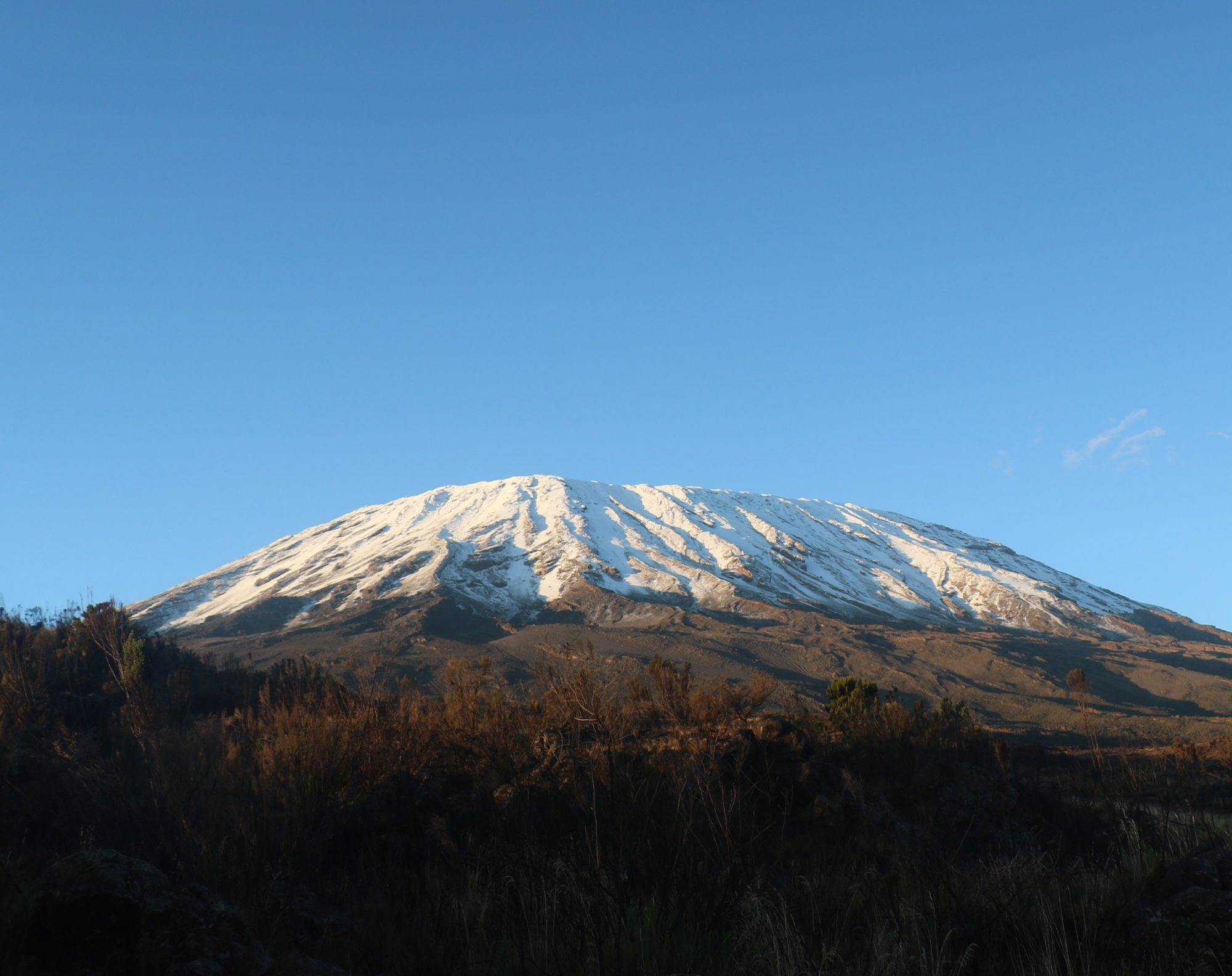
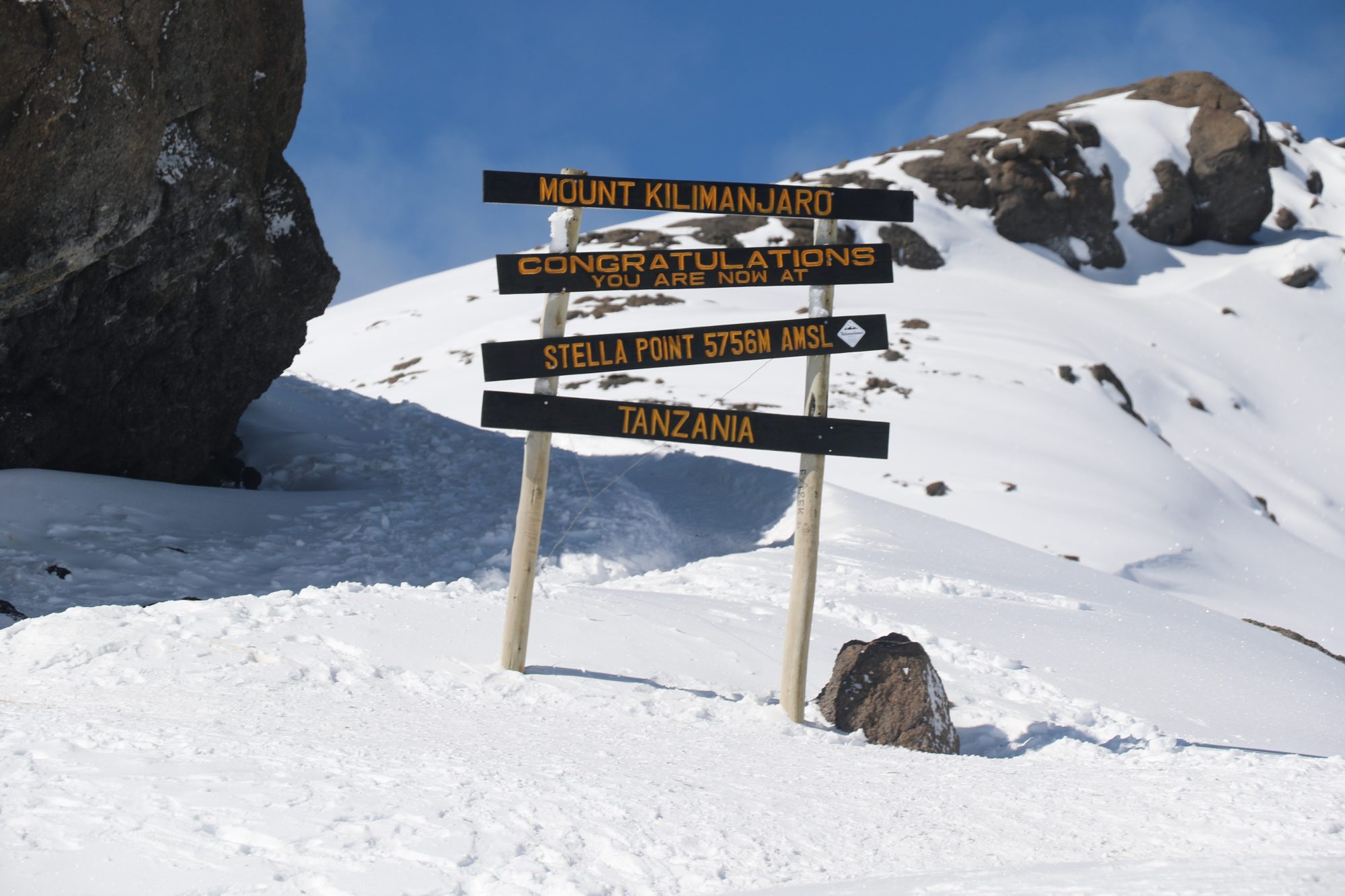
Climbing Mount Kilimanjaro is one of the most rewarding adventures in the world. At 5,895 meters (19,341 feet), it is Africa's highest mountain and the world's tallest free-standing mountain. Every year, thousands of climbers travel to Tanzania with the dream of standing on Uhuru Peak.
While Kilimanjaro does not require technical climbing skills, altitude presents a significant challenge. The majority of unsuccessful summit attempts are related to altitude sickness rather than physical fitness.
In this guide, you'll learn what altitude sickness is, why it happens, how to prevent it, and what to do if symptoms develop during your climb.
What is Altitude Sickness?
Altitude sickness, also known as Acute Mountain Sickness (AMS), occurs when your body struggles to adapt to lower oxygen pressure at high elevations.
A common misconception is that there is less oxygen in the air at high altitude. In reality, the percentage of oxygen remains approximately 21%. The challenge comes from lower atmospheric pressure, which makes it harder for your body to absorb oxygen with each breath.
As climbers ascend Kilimanjaro, the reduced pressure means less oxygen reaches the muscles, brain, and other organs.
Why Altitude Sickness Happens on Kilimanjaro
Several factors increase the risk of altitude sickness:
- Ascending too quickly
- Insufficient acclimatization time
- Dehydration
- Overexertion
- Lack of sleep
- Individual physiological differences
One of the most important things to understand is that altitude sickness can affect anyone, regardless of age or fitness level.
Types of Altitude Sickness
Acute Mountain Sickness (AMS)
AMS is the most common form of altitude sickness and usually develops above 2,500 meters.
Common symptoms include:
- Headache
- Nausea
- Dizziness
- Fatigue
- Poor sleep
- Loss of appetite
High Altitude Cerebral Edema (HACE)
HACE is a severe and potentially life-threatening condition caused by swelling of the brain due to altitude.
Symptoms include:
- Severe headache
- Confusion
- Loss of coordination
- Difficulty walking
- Unusual behaviour
High Altitude Pulmonary Edema (HAPE)
HAPE occurs when fluid accumulates in the lungs.
Symptoms include:
- Severe shortness of breath
- Persistent coughing
- Chest tightness
- Extreme fatigue
- Blue lips or fingernails
Both HACE and HAPE require immediate descent and emergency medical attention.
Common Symptoms of Altitude Sickness on Kilimanjaro
Many climbers experience mild symptoms during acclimatization. Common signs include:
- Headache
- Nausea
- Light-headedness
- Fatigue
- Reduced appetite
- Difficulty sleeping
- Shortness of breath during exertion
It is important to report symptoms to your guide immediately.
How to Prevent Altitude Sickness
Choose a Route with Better Acclimatization
Longer routes generally have higher summit success rates because they allow more time for acclimatization.
Recommended routes include:
- Lemosho Route
- Northern Circuit Route
- Machame Route
Follow the "Pole Pole" Rule
"Pole Pole" means "slowly slowly" in Swahili.
Walking slowly allows your body to adjust naturally and conserves energy.
Stay Hydrated
Drink between 3 and 4 litters of water each day while trekking.
Proper hydration supports acclimatization and reduces fatigue.
Eat Well
Even when your appetite decreases, continue eating nutritious meals.
Carbohydrates are especially beneficial at altitude because they require less oxygen for metabolism.
Add Acclimatization Days
Extra days on the mountain significantly improve summit success rates and reduce the likelihood of altitude sickness.
Avoid Alcohol and Smoking
Alcohol contributes to dehydration and can worsen AMS symptoms. Smoking reduces oxygen delivery to the body.
Treatment for Altitude Sickness
Mild AMS
If symptoms are mild:
- Rest at your current altitude
- Drink water
- Monitor symptoms carefully
- Avoid ascending until symptoms improve
Moderate AMS
If symptoms worsen:
- Stop climbing
- Rest and reassess
- Descend if symptoms do not improve
Severe AMS, HACE, or HAPE
Immediate action is required:
- Descend immediately
- Use supplemental oxygen if available
- Arrange emergency evacuation if necessary
The most effective treatment for serious altitude illness is descent.
Summit Night and Altitude Sickness
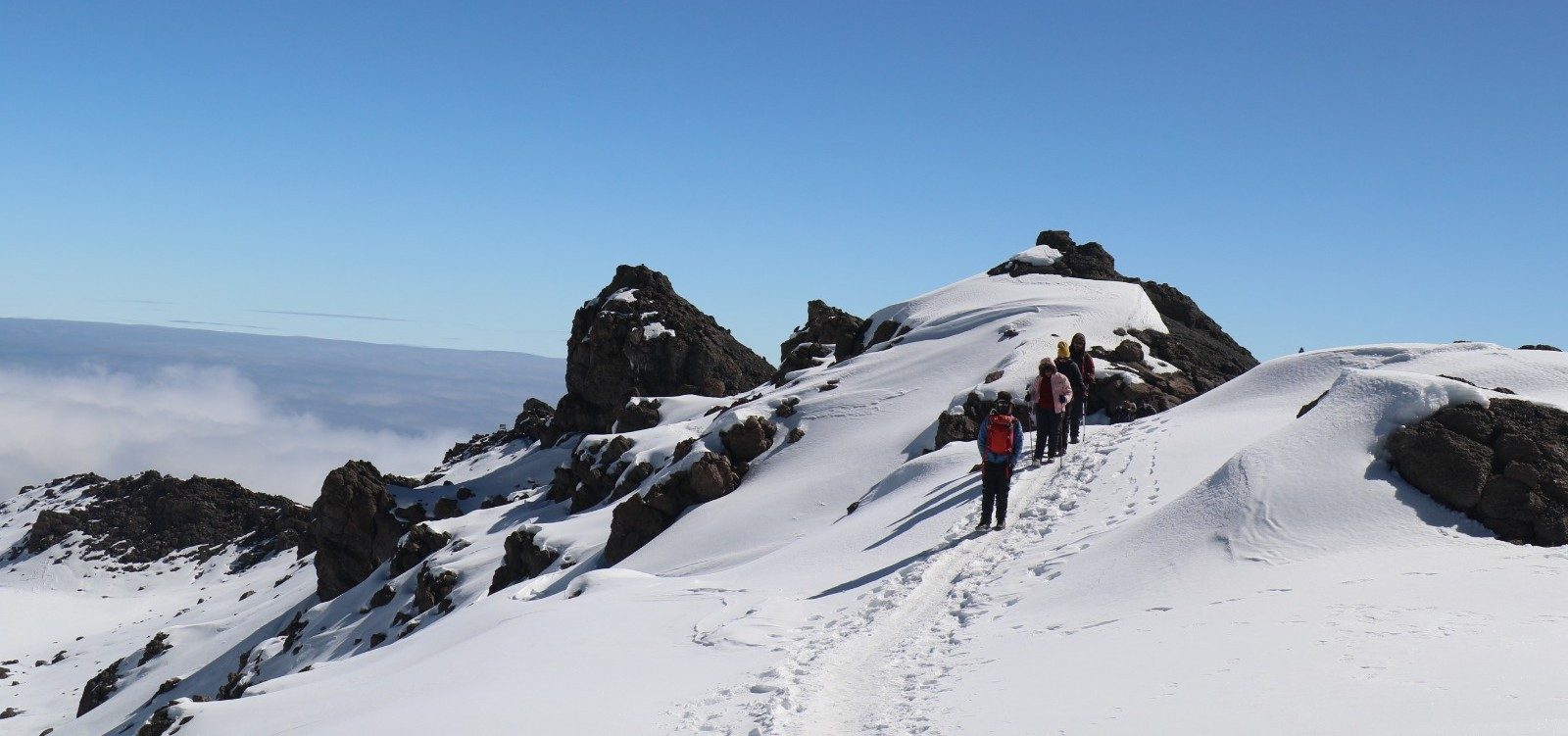
Most cases of altitude sickness occur during summit night.
Climbers begin ascending around midnight and move from high camp toward Uhuru Peak. At this stage:
- Oxygen pressure is at its lowest
- Temperatures are extremely cold
- Fatigue is at its highest
This combination makes summit night the most challenging part of the climb.
Maintaining a slow pace, staying hydrated, and listening to your guide are critical.
How Guides Monitor Climbers
Professional Kilimanjaro guides conduct daily health checks, including:
- Oxygen saturation monitoring
- Heart rate checks
- Symptom assessments
- Observation of coordination and energy levels
These checks help identify altitude-related problems before they become dangerous.
Final Thoughts
Altitude sickness is the greatest challenge climbers face on Mount Kilimanjaro, but it can be managed successfully with proper preparation and responsible trekking practices.
Choose a route that allows adequate acclimatization, hike slowly, stay hydrated, and communicate openly with your guide.
Remember, climbing Kilimanjaro is not a race. Taking your time gives your body the best chance to adapt and increases your likelihood of standing on the Roof of Africa.
Leave a Comment