Discover the ultimate Kilimanjaro packing list. Learn exactly what clothing, equipment, and accessories you need to stay comfortable and reach the summit successfully.
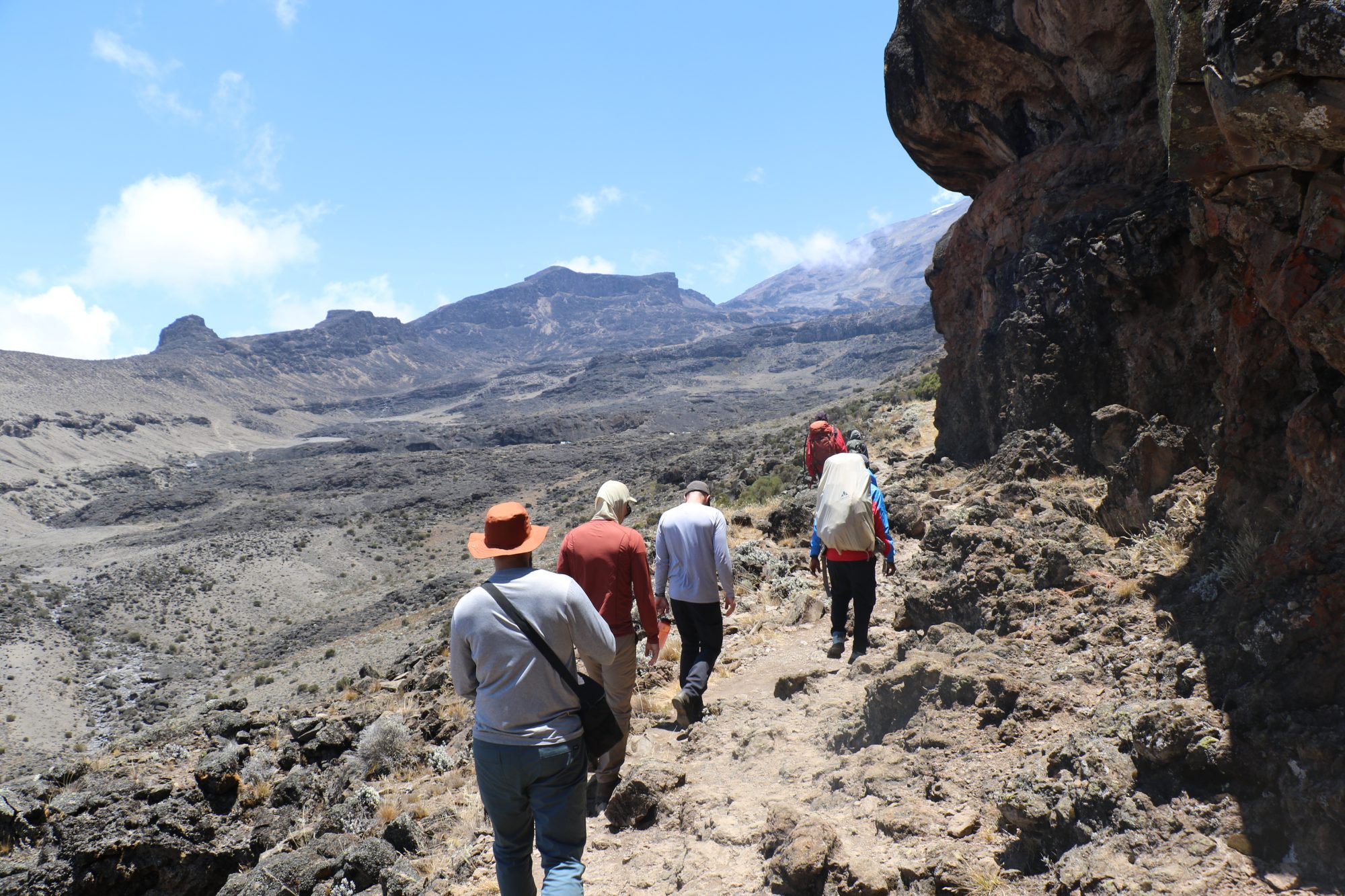
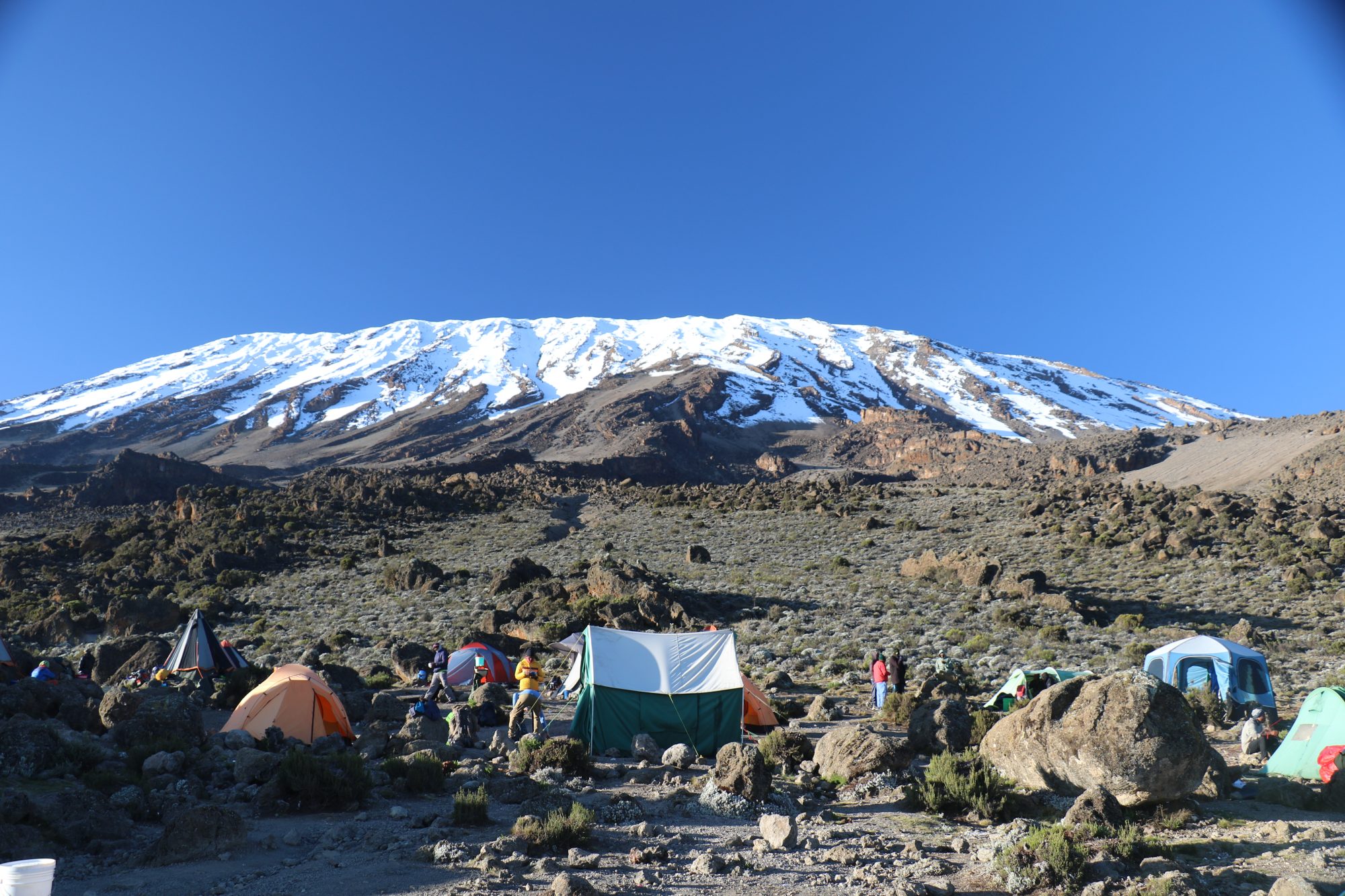
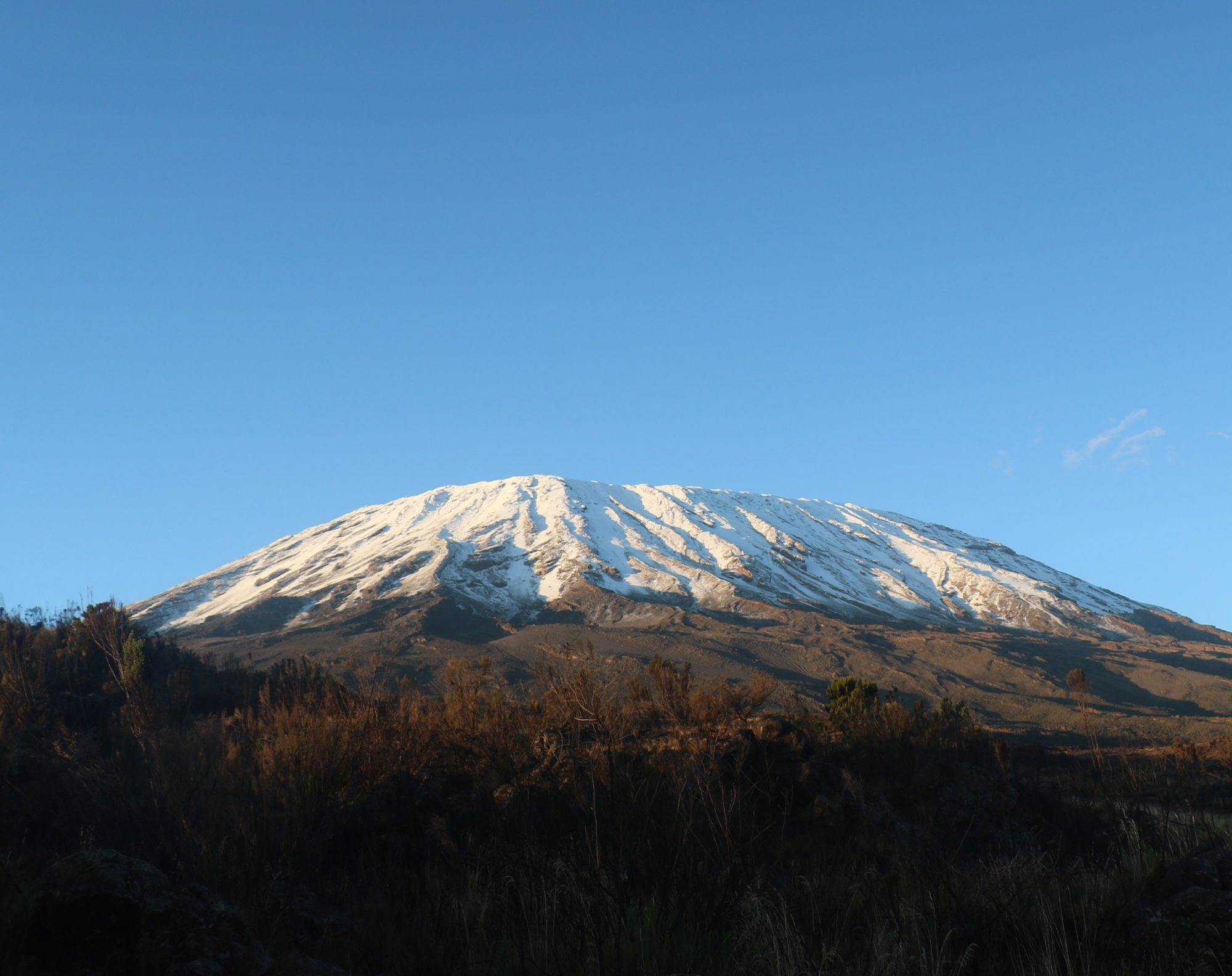
Climbing Mount Kilimanjaro is one of the most rewarding adventures in the world. Standing at 5,895 meters (19,341 feet), Kilimanjaro takes trekkers through five unique climate zones, from tropical rainforest to an arctic summit.
One of the most important factors in achieving a successful summit is bringing the right gear.
Many climbers spend months preparing physically for their trek but underestimate the importance of proper equipment. The right clothing and gear can make the difference between a comfortable climb and a difficult experience.
This complete Kilimanjaro packing list explains exactly what you should bring to the mountain and why each item matters.
Why Proper Packing Matters
During a Kilimanjaro climb, you may experience:
* Hot sunshine
* Heavy rain
* Strong winds
* Freezing temperatures
* High altitude conditions
In just a few days, you will move through multiple climate zones and face rapidly changing weather conditions.
Packing correctly helps you:
* Stay warm
* Stay dry
* Prevent injuries
* Improve comfort
* Increase summit success chances
Understanding the Layering System
The secret to dressing properly on Kilimanjaro is layering.
Instead of wearing one thick jacket, climbers wear several layers that can be added or removed throughout the day.
A typical layering system includes:
Base Layer
The base layer sits directly against your skin.
Its purpose is to:
* Move sweat away from the body
* Keep you dry
* Regulate body temperature
Recommended items:
* Thermal tops
* Thermal leggings
* Moisture-wicking shirts
Avoid cotton because it absorbs moisture and dries slowly.
Mid Layer
The mid layer provides insulation.
Examples include:
* Fleece jackets
* Lightweight insulated jackets
* Fleece pullovers
This layer traps body heat and keeps you warm.
Outer Layer
The outer layer protects against wind and rain.
Recommended items:
* Waterproof jacket
* Waterproof hiking pants
Choose high-quality waterproof gear because weather conditions can change quickly.
Essential Clothing for Kilimanjaro
Waterproof Jacket
A waterproof jacket is one of the most important items on your packing list.
Your jacket should be:
* Waterproof
* Windproof
* Breathable
Rain is common in the rainforest zone and weather can be unpredictable at higher elevations.
Down Jacket
A warm down or insulated jacket is essential for:
* Evenings at camp
* Early morning starts
* Summit night
Temperatures near the summit can fall well below freezing.
Hiking Shirts
Bring several lightweight hiking shirts.
Choose shirts made from:
* Synthetic materials
* Merino wool
Avoid cotton shirts.
Hiking Pants
Pack:
* 2–3 hiking pants
* 1 waterproof over-pant
Convertible hiking pants can be useful in lower elevations.
Thermal Underwear
Thermal tops and bottoms are critical for cold nights and summit day.
They provide additional warmth without adding excessive weight.
Footwear: The Most Important Gear Category
Hiking Boots
Your boots should be:
* Comfortable
* Waterproof
* Well broken-in
Never bring brand-new boots to Kilimanjaro.
Blisters are one of the most common problems climbers face.
Hiking Socks
Bring:
* 4–6 pairs of hiking socks
* 1–2 pairs of warm summit socks
Merino wool socks are highly recommended.
Camp Shoes
After a long day of trekking, comfortable camp shoes are extremely useful.
Options include:
* Sandals
* Lightweight trainers
* Recovery shoes
Head and Hand Protection
Warm Hat
A warm hat is essential for cold mornings and summit night.
Sun Hat
Strong equatorial sunlight can be intense even at high altitude.
A wide-brimmed sun hat offers excellent protection.
Gloves
Bring two types:
Lightweight Gloves
Suitable for regular trekking days.
Insulated Gloves
Necessary for summit night.
Cold hands can quickly become uncomfortable at high elevations.
Essential Equipment
Daypack
A 30–40 litres daypack is ideal.
Items typically carried include:
* Water
* Snacks
* Camera
* Rain jacket
first aid kit
* Extra layers
Duffel Bag
Most operators provide porters to carry a duffel bag.
A waterproof duffel bag is recommended.
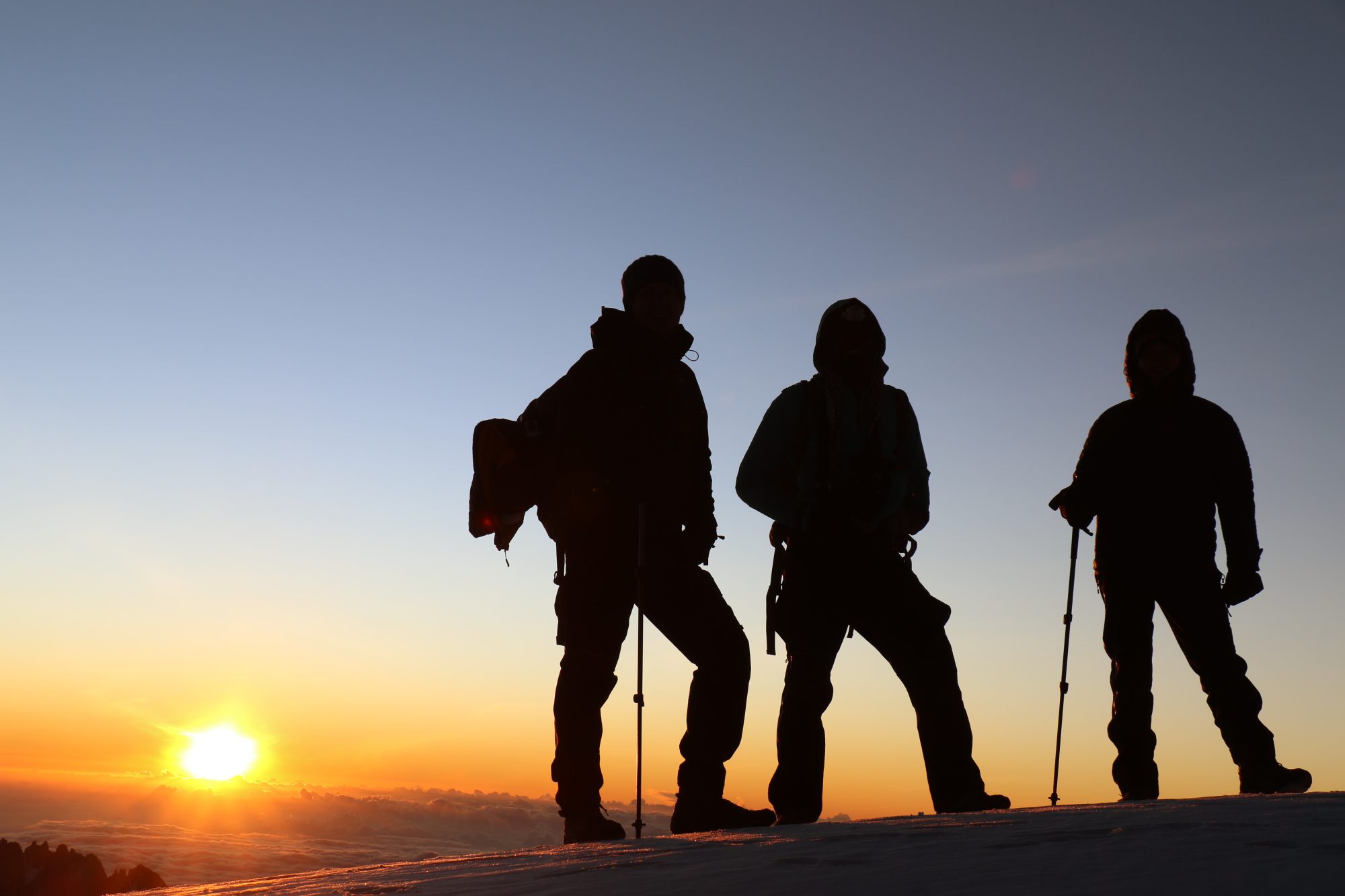
Trekking Poles
Trekking poles help:
* Reduce pressure on knees
* Improve balance
* Increase stability
Many climbers consider them indispensable.
Headlamp
A headlamp is mandatory for summit night.
Bring:
* Extra batteries
* Backup batteries if possible
Sleeping Equipment
Sleeping Bag
A high-quality sleeping bag rated for cold temperatures is essential.
Recommended rating:
-10°C to -20°C
Sleeping Pad
Many operators provide sleeping pads, but some climbers prefer bringing their own for additional comfort.
Hydration Equipment
Water Bottles
Bring reusable water bottles.
Hydration System
Many climbers use hydration bladders.
However, the drinking tube may freeze during summit night.
For this reason, some climbers prefer insulated bottles.
Personal Care Items
Sunscreen
UV exposure increases significantly with altitude.
Choose SPF 30 or higher.
Lip Balm
Dry mountain air often causes cracked lips.
Wet Wipes
Useful for maintaining hygiene on the mountain.
Hand Sanitizer
Important for preventing illness during the trek.
Toothbrush and Toothpaste
Pack travel-sized versions.
Electronics
Camera
Kilimanjaro offers spectacular photography opportunities.
Power Bank
Electricity is unavailable on most routes.
Bring sufficient backup power.
Phone
Many climbers use smartphones for:
* Photos
* GPS tracking
* Communication
Keep batteries warm to improve performance.
Snacks for the Mountain
Popular trekking snacks include:
* Energy bars
* Chocolate
* Nuts
* Dried fruit
* Electrolyte tablets
Although meals are provided, personal snacks can boost energy levels.
What Not to Pack
Avoid bringing:
* Excessive clothing
* Heavy books
* Large electronics
* Unnecessary valuables
Remember that every kilogram matters.
Common Packing Mistakes
Bringing New Boots
Always break in boots before your trip.
Packing Cotton Clothing
Cotton performs poorly in cold and wet conditions.
Underestimating Summit Temperatures
Many climbers are surprised by how cold summit night becomes.
Forgetting Sun Protection
Sunburn is common at high altitude.
Recommended Packing Checklist
Clothing
✓ Waterproof jacket
✓ Waterproof pants
✓ Down jacket
✓ Fleece jacket
✓ Thermal base layers
✓ Hiking shirts
✓ Hiking pants
✓ Warm hat
✓ Sun hat
✓ Gloves
Footwear
✓ Hiking boots
✓ Hiking socks
✓ Camp shoes
Equipment
✓ Daypack
✓ Duffel bag
✓ Trekking poles
✓ Headlamp
✓ Sleeping bag
Personal Items
✓ Sunscreen
✓ Lip balm
✓ Wet wipes
✓ Hand sanitizer
✓ Toiletries
Electronics
✓ Phone
✓ Camera
✓ Power bank
Frequently Asked Questions
Can I rent Kilimanjaro gear?
Yes. Most reputable operators offer gear rental services in Tanzania.
Do I need waterproof boots?
Yes. Waterproof hiking boots are strongly recommended.
How cold does Kilimanjaro get?
Summit temperatures can range from approximately -7°C to -20°C.
Are trekking poles necessary?
They are not mandatory but highly recommended.
Final Thoughts
Preparing properly for Mount Kilimanjaro begins with packing the right gear. The mountain's unique climate zones require clothing and equipment that can handle everything from tropical heat to freezing summit temperatures.
By following this Kilimanjaro packing list, you will be better prepared, more comfortable, and more likely to enjoy a successful journey to Uhuru Peak.
Ready to climb Kilimanjaro? Contact our team today to learn more about our guided treks and expert support on Africa's highest mountain.
Leave a Comment