Kilimanjaro Photography: Capture Your Summit
Kilimanjaro offers dramatic photography: sunrise from 5,895m, five ecological zones, and team moments. Here is how to capture them.
Essential Gear
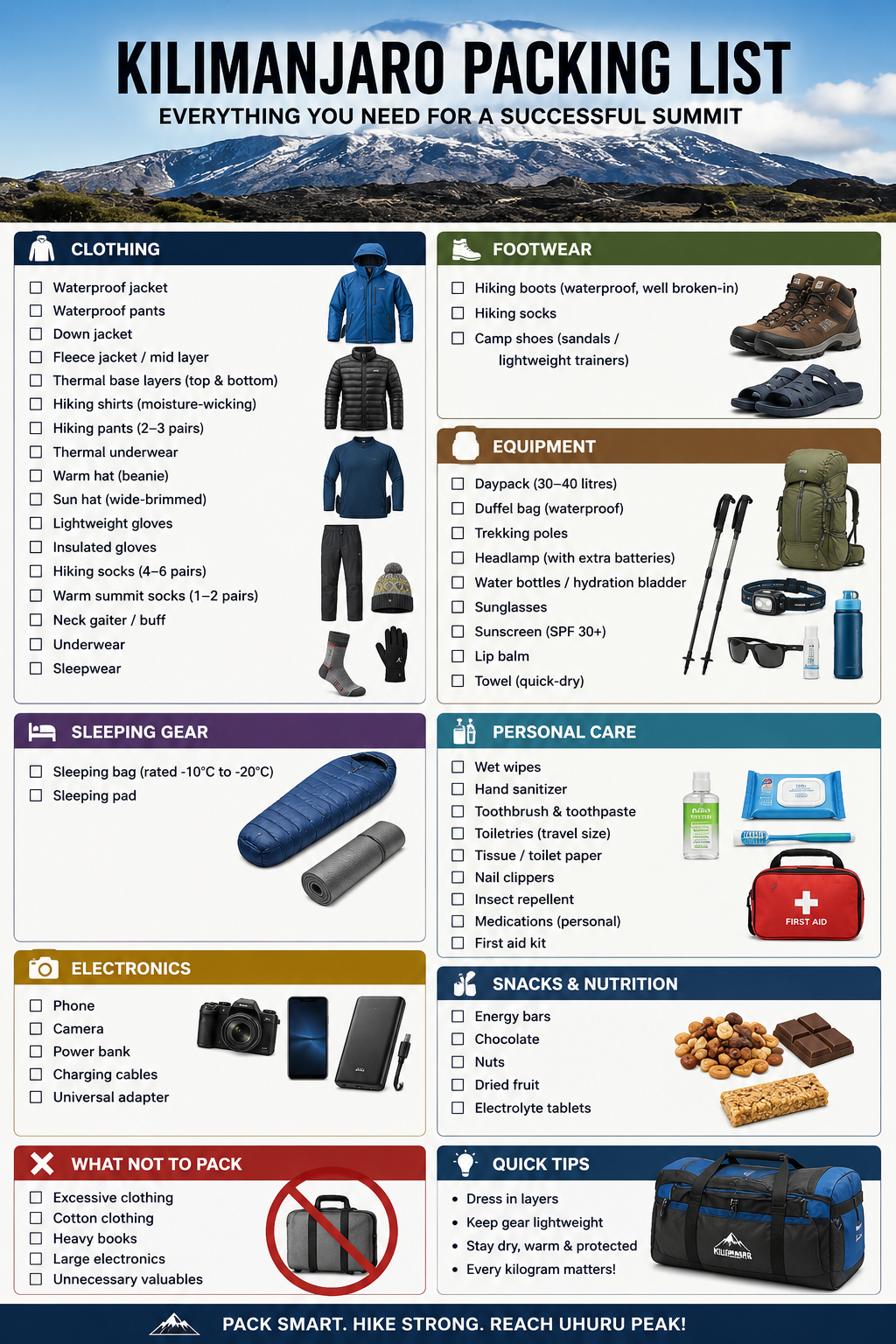
DSLR or mirrorless camera. Action camera (GoPro) works. Even smartphones capture great shots. 24-70mm zoom is versatile. 16-35mm wide-angle for landscapes. Lightweight compact tripod for sunrise. Extra batteries (cold drains them fast). Lens cloth. Polarizing filter.
Camera Settings
Sunrise at summit: ISO 400-800, f4-5.6, shutter 1/125-1/250. Daytime landscapes: ISO 100-200, f8-f11, shutter 1/500+. Night stars: ISO 3200+, f2.8, shutter 15-25 seconds. Golden hour: ISO 200-400, f5.6-f8, shutter 1/200-1/500.
Best Photography Locations
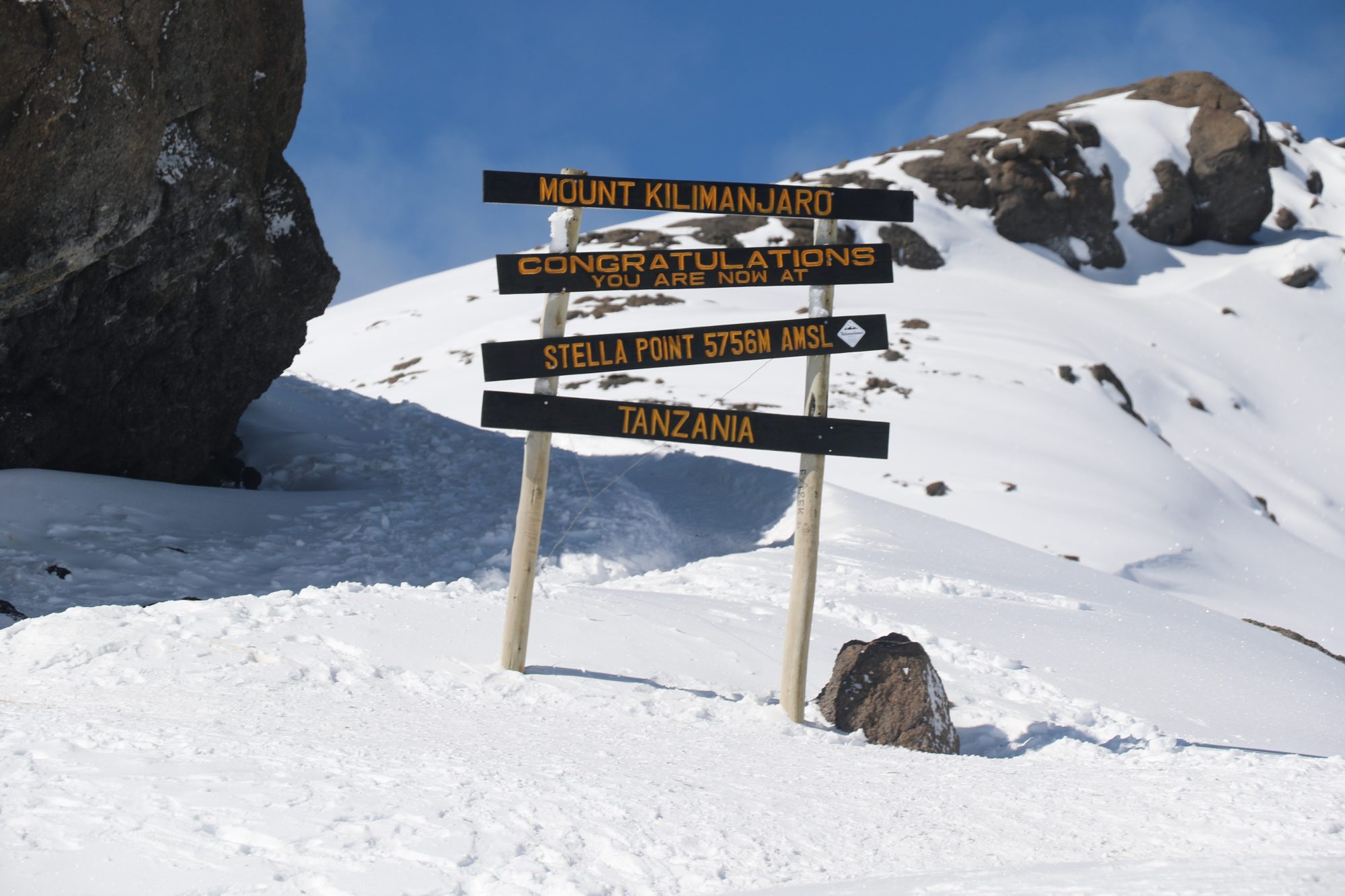
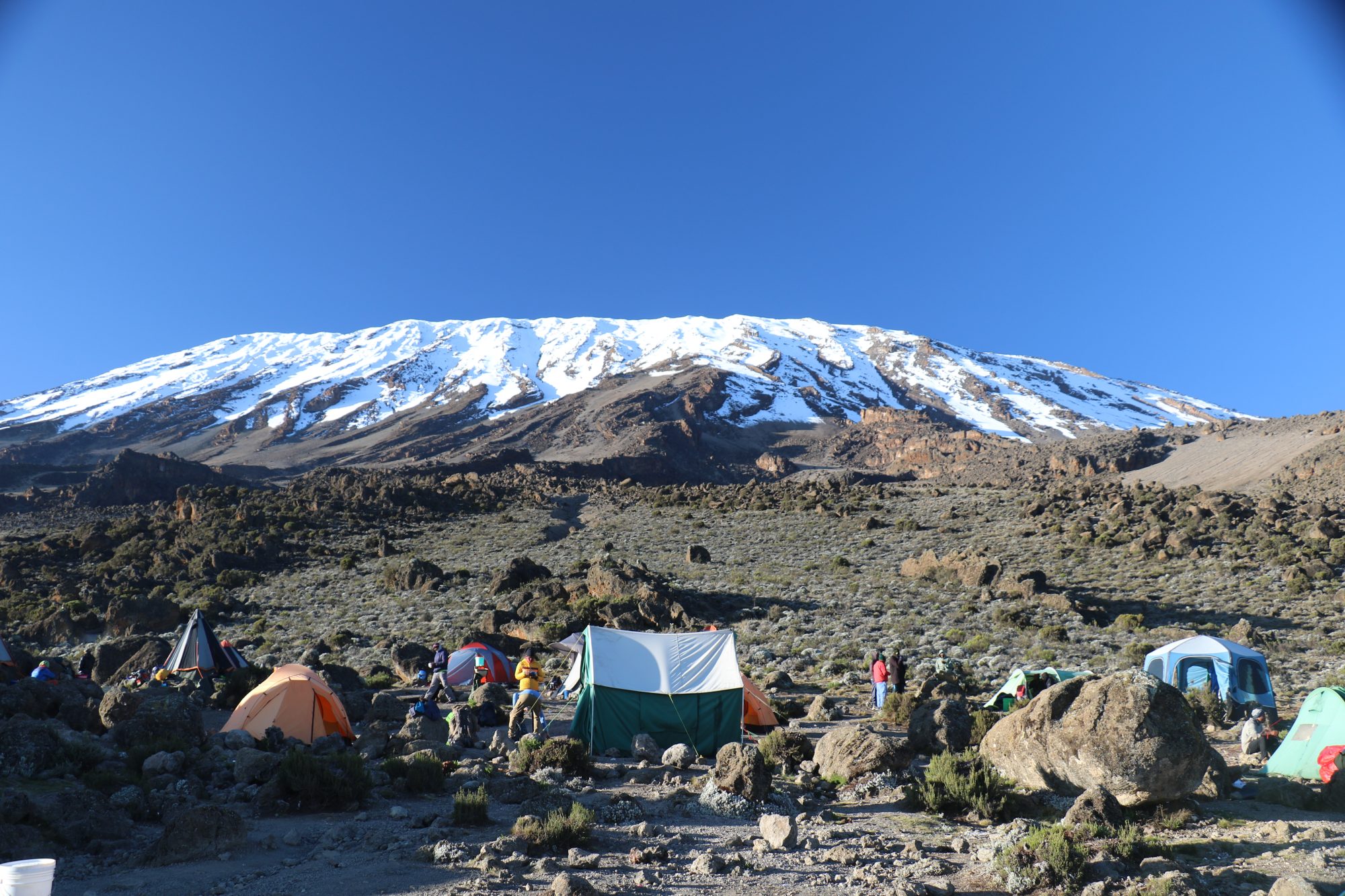
Uhuru Peak at sunrise (magical golden light). Crater rim (glaciers and shadows). Lower elevations (wildlife and vegetation zones). Camp at night (Milky Way visible from 3,500m+).
Pro Tips
Shoot in RAW format for editing flexibility. Bring hand warmers for camera batteries. Protect gear from moisture at high altitude. Sunrise waits for no one - be ready 30 min early. Wide-angle captures scale better than telephoto. People photos matter more than perfect landscapes.
Common Mistakes
Using flash (washes out subjects). Underexposing (afraid of blown highlights). Forgetting spare batteries. Taking shots too fast without composition. Forgetting to include people in photos.
Leave a Comment